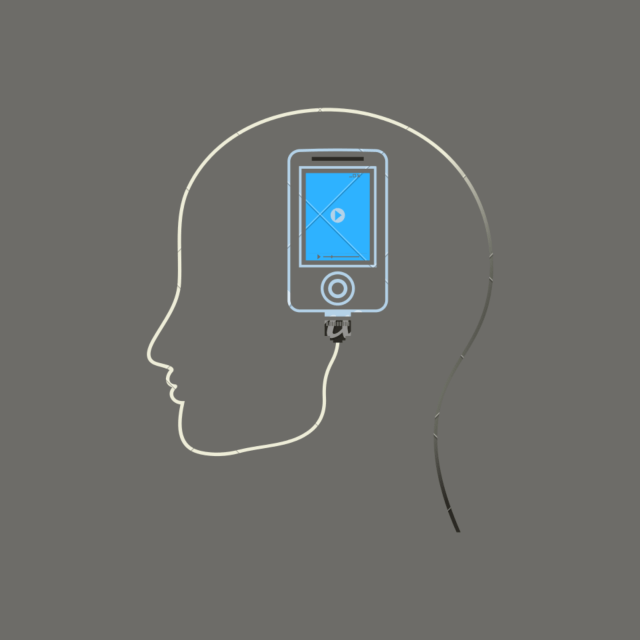
The rise in insomnia amongst the younger generations has slowly become a real and ever-present threat to our wellbeing and our way of life. Scientists these days attribute the cause for this disorder to many harmful elements that have been assimilated into our daily lives. One of the most prominent of these is of course blue light. It has been proven that the extremely wide usage of blue light in technology today in combination with an unhealthy diet and lack of physical activity causes several disorders amongst which insomnia is. The use of mobile (which are the most widespread blue light emitting devices found today) phones in the bedroom and at night causes the suppression of melatonin production and in doing so offsets the normal circadian rhythm.
Melatonin is a naturally accruing hormone produced by the pineal gland in the brain during the nighttime. The circadian rhythm is the bodies internal clock telling us when to sleep and when to get up, for instance the amount of sleep we need is highest on birth and then slowly declines to adulthood when we need about 6 to 8 hours of sleep. Of course, this varies from person to person and is specific to your race body type and gender. The lack of quality sleep and sleep in general causes further problems such as early onset depression and anxiety. Using myself as an example, I have been using my phone in dim lit or dark rooms for years and now have a severe case of insomnia and a mild case of anxiety and depression. Nowadays companies have found a way to profit from this rising health issue by making health supplements that contain melatonin. But do not use these supplements for long periods of time under any circumstances. The addition of artificial melatonin to the body over long periods of time may cause the body to stop producing it altogether.
In conclusion if you are suffering from lack of sleep, anxiety or depression try to limit your use of mobile devices during the night and up your vitamin intake through vegetables or if needed supplements (with consulting your nutritionist and/or general physician first).
 Bi&Phy